Seatbelts and Injury Patterns in Car Accidents
Monday, August 10, 2026
Car Accident Facts, Injury Science, and Safety Insights
Part 3 of 10 Blog Series
What Every Entrepreneur Needs To Know

Seatbelts and Injury Patterns in Car Accidents
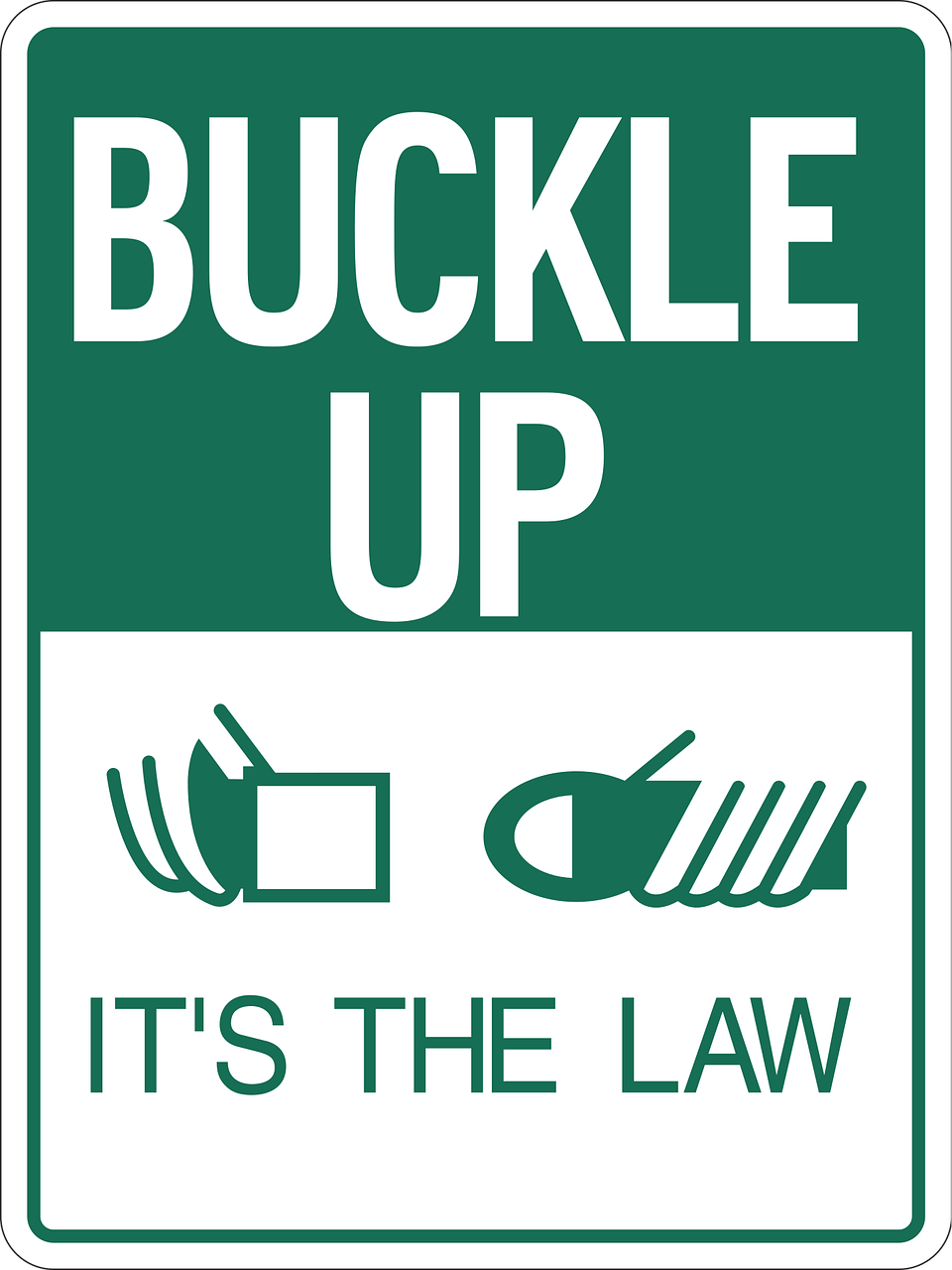
Seatbelts are essential for survival, but they also influence how force is distributed during a crash. Interestingly, seatbelts weren't originally invented for cars.
Early versions of lap belts were used in aircraft and other vehicles before becoming standard automotive safety equipment.
The modern 3-point seatbelt was invented by a Volvo engineer.
In 1959, Swedish engineer Nils Bohlin developed the modern three-point belt. One fascinating detail: Volvo made the patent available to other manufacturers because they believed the invention could save lives.
Protective Benefits
The belt crosses both the pelvis and chest, helping distribute crash forces across stronger parts of the body rather than concentrating them on the abdomen or neck. The belt restrains the torso while the headrest helps limit excessive head and neck movement. Properly adjusting the head restraint is particularly important for reducing certain types of neck injury.
1)Prevents ejection from the vehicle
2)Reduces risk of fatal head injuries
Common Injury Patterns
1)Shoulder and chest strain
2)Lower back compression forces
3)Cervical spine stress from sudden deceleration
The seatbelt doesn't have to break to cause injury.
The body can experience enormous forces while the belt remains completely intact. The injury comes from the rapid deceleration and the forces transferred through the body.
The “seatbelt sign” can be medically important.
Bruising across the abdomen from a seatbelt can sometimes indicate an underlying injury, particularly after a significant crash. It shouldn't simply be dismissed as a bruise.
Your seatbelt can be worn incorrectly even when it's buckled.
The lap portion should sit low across the hips/pelvis, not across the stomach. The shoulder portion should cross the chest and shoulder, rather than sitting behind the back or under the arm.
A bulky winter coat can affect belt positioning.
Thick clothing can create extra space between the body and the restraint. The safest approach is to position the belt snugly against the body.
Clinical Insight
Even when seatbelts prevent major trauma, soft tissue injuries are still common and should be evaluated.
This is an important one for a car-accident article. Seatbelts can cause bruising, rib injuries, abdominal injuries, or shoulder/neck soreness because they restrain the body during a violent event. But those injuries are often the result of the belt doing exactly what it was designed to do: stopping the body from moving farther.
Chiropractic Care
Can Help
Key Insight for Patients
Symptoms may not appear immediately, which is why early evaluation by a chiropractor after a car accident is important..
If you’re ready to take the next step in your recovery, contact our chiropractic clinic today to schedule an evaluation!
Chiropractic Massage & Spinal Health is here to help you recover from your car accident.
Visit us in Hutto or Leander, Texas

© Dr. Chris Cote, DC
Chiropractic Massage & Spinal Health
2 Locations to Serve You
Hutto & Leander
512-993-0260

Hi, I Am
Dr. Chris Coté
Chiropractor
Athletic Trainer
Personal Trainer
Email Me:
info@cmspinalhealth.com
Using my knowledge and experience to help answer and educate the world on health, injuries, pain, and living a quality life.

Members Only Videos
Exclusive Videos
Join the exclusive community and learn.....
- Weight Loss
- Exercise Videos
- Self Massage with Ball for Entire Body
- Stress Reduction Breathing Techniques
- Sport Specific Warm Ups and Stretches
- Daily Meditations
- Daily Stretches
